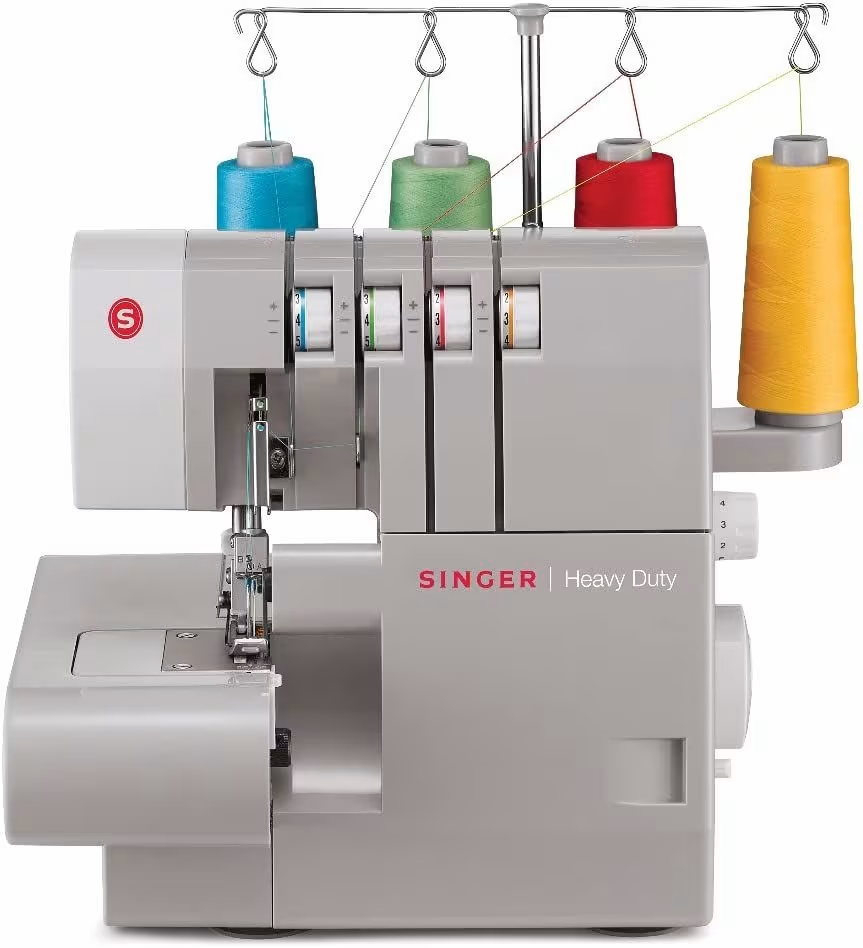
Overlock, also known as serging, is a specialized sewing technique used in garment manufacturing to finish the raw edges of fabric, prevent fraying, and provide a clean, professional look to seams. The process is carried out using an overlock sewing machine, which trims the fabric edges and encloses them with thread loops in a single operation, ensuring durability and precision in garment construction.
The primary responsibility of an Overlock Operator is to set up and operate overlock machines according to production specifications and style requirements. This involves adjusting stitch length, thread tension, and machine settings to match the type of fabric and desired finish. Operators must ensure that seams are smooth, secure, and aligned correctly while maintaining consistent quality throughout the production run.
Key tasks include threading the overlock machine, replacing needles as needed, conducting routine machine maintenance, and inspecting seams for any defects or inconsistencies. Overlock Operators often work closely with supervisors, quality checkers, and other sewing operators to ensure that garments meet company and buyer standards.
A skilled Overlock Operator should have strong technical knowledge of various overlock stitch types—such as 3-thread, 4-thread, and 5-thread stitches—along with the ability to handle different fabrics like knits, wovens, and stretch materials. Attention to detail, hand–eye coordination, and the ability to work efficiently under production deadlines are essential skills for this role.
By producing neatly finished seams that enhance garment strength and appearance, the overlock process plays a vital role in delivering high-quality products, reducing fabric waste, and improving overall production efficiency in the apparel industry.